A budget can help you stay within your means, but on its own it will not necessarily reduce your spending or help you build savings. If you treat saving money as a challenge, you may find it more rewarding than spending it. When you save up to buy something you really need and buy at a good price, you will feel a sense of achievement at having reached your goal.
Many people who struggle with managing money believe they are already doing all they can to save, but that is often not the case. In most instances, there are still ways to cut back without making life uncomfortable. Adjusting how you make spending decisions can help reduce the stress and hardship that financial pressure can cause, and savings can be used to help you through a difficult time when unexpected costs arise.
Smart money management involves understanding your purchasing habits. Before making a purchase, ask yourself:
Consistently asking these questions can help you save money and make smarter financial decisions.
By showing exactly how you spend your money, banking and budgeting apps make it easier to spot areas where you can cut back. Most apps automatically categorise your spending, highlight patterns, and show how your habits change over time. This makes it easier to identify regular leaks such as takeaways, subscriptions, ride shares, and convenience purchases without needing to write everything down.
Money Hub offers a breakdown on a variety of budgeting apps on their website Best Budget Apps for New Zealanders - MoneyHub NZ Avoid apps that you require you to pay a monthly or annual fee.
Many banks offer budgeting tools within their Apps:
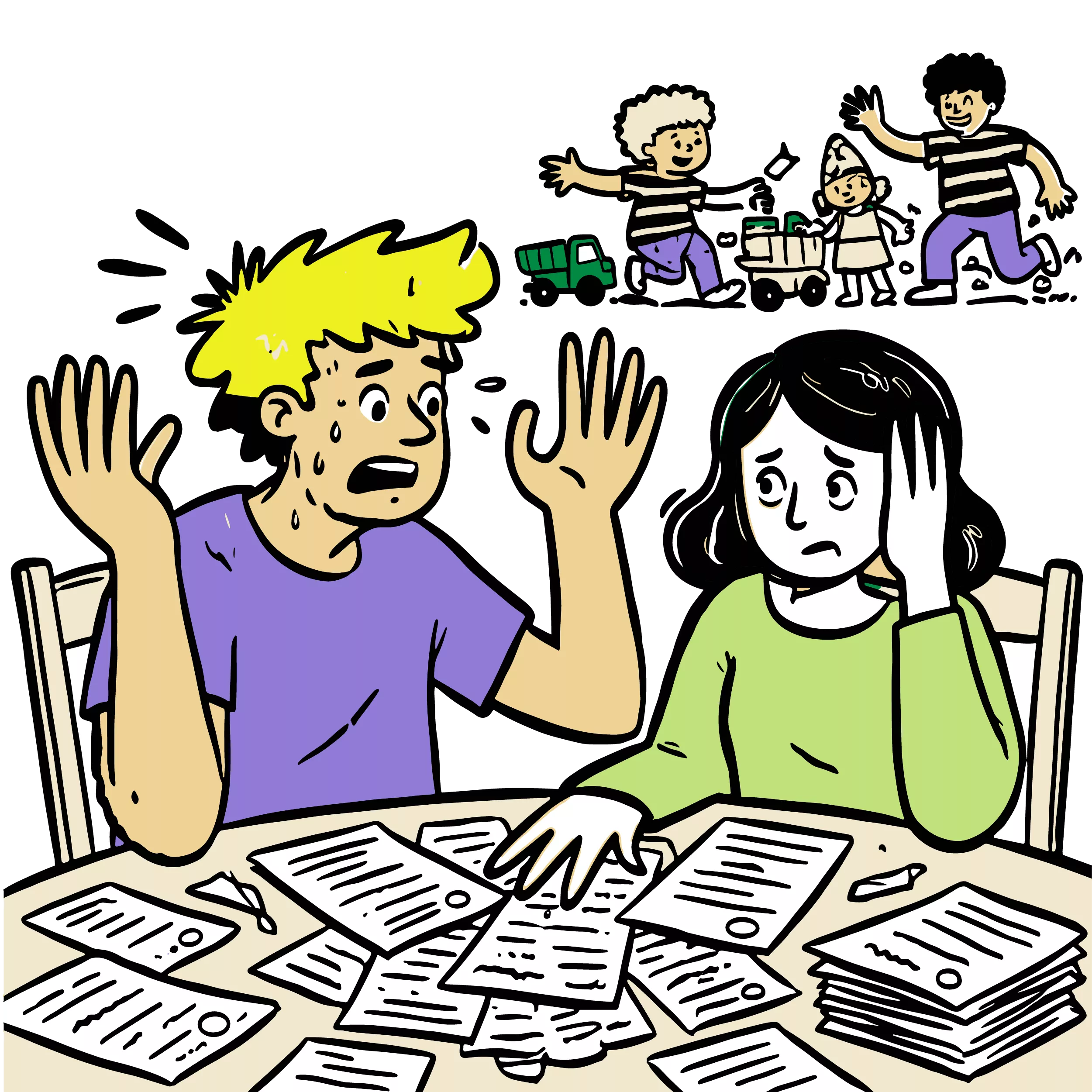
If you are not using an app, you should track your spending manually. This may seem time-consuming, but it quickly highlights where money is being lost.
This process helps make it clear where changes need to be made.
Reducing spending becomes much harder if you are adding to debt. Using a debit card instead of a credit card can help prevent this, as you are limited to spending the money you have available. Credit cards can lead to impulse spending and high interest charges if not managed carefully.
It is important to get help early. Free, confidential debt advice is available through a variety of services, which provide trained financial mentors. These services help with budgeting, debt reduction, and negotiating with creditors.
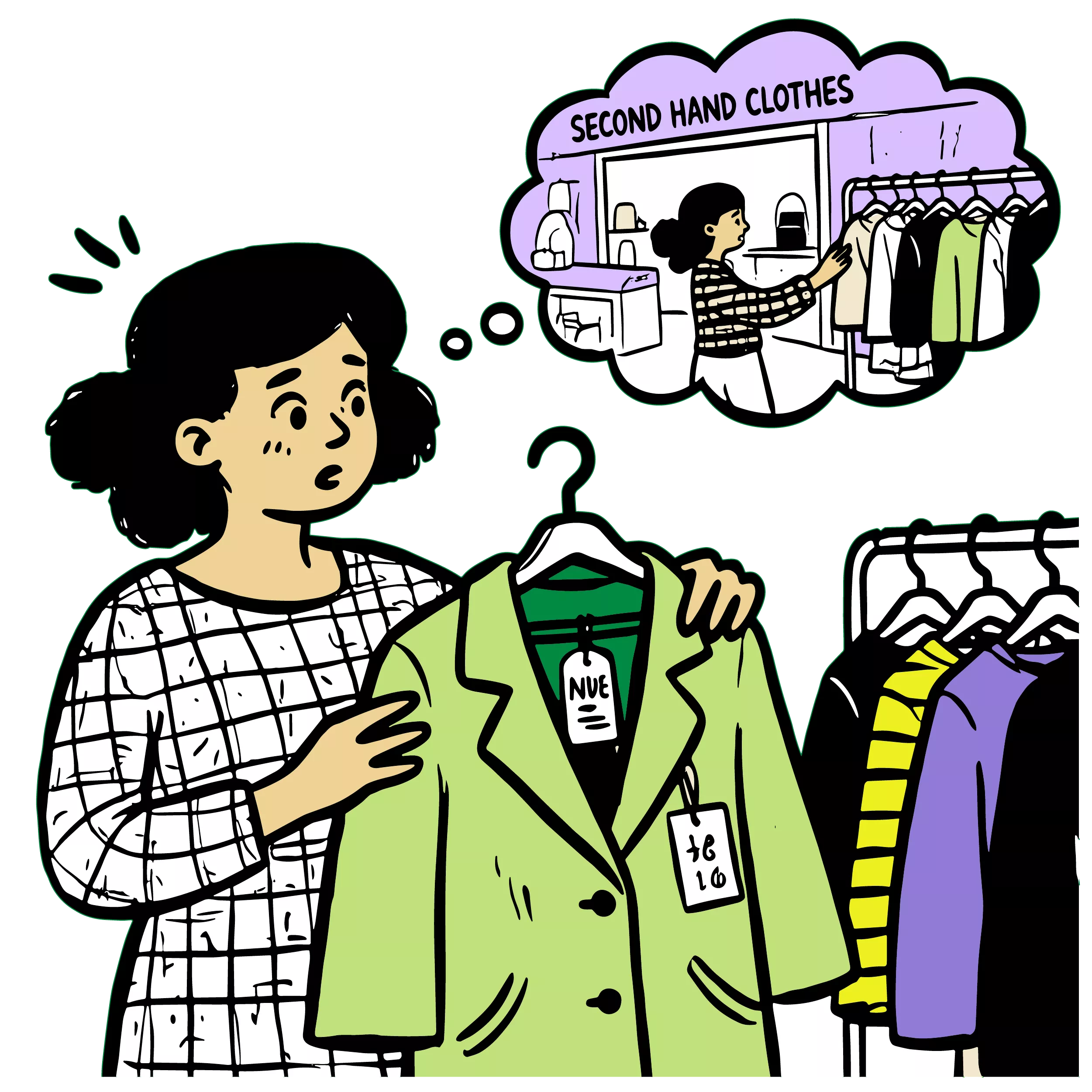
Simple habits can reduce spending without requiring major lifestyle changes. It is worth taking the time to compare prices before making purchases. Planning meals around what is on special can significantly reduce grocery costs.
Price comparison tools, such as Apps and browser extensions, can help identify lower-cost grocery options across major supermarkets in New Zealand.
If you do need to buy something from a retailer, check prices at other shops to find the best buy. Check out price comparisons on sites such as PriceMe PriceMe - Price Comparison New Zealand - Check Best Price Shop Online
Avoid paying for multiple streaming services, as these monthly bills add up. Search which options are available free online.
Debt Management
Pricing Comparison Apps: