These hints can show you how to save money in many different ways.
Take every opportunity to save money even if it is only ten cents on an equivalent item at the supermarket. Remember, that a lot of small amounts add up to a large sum over the course of a year.
Buy second-hand goods whenever possible. Doing this can save you a large amount of money. You can source some great bargains from online platforms like Trade Me and Facebook Marketplace, garage sales, fairs and auctions.
Work out how much you are paid per hour by dividing the amount you receive by the hours you work. Before buying something, think of how many hours work it will take to pay for it.
Loyalty schemes may cost you money if you do not buy from the cheapest retailer or if you buy things you do not need, in order to get extra points.
Make it a rule that you do not buy anything at the door or over the phone. If someone asks you to buy something or make a donation, simply say that you have a rule that you do not do this when you are asked at the door or over the phone. Decide in advance which charities you wish to support and only give to them.
Buying by mail or online can be risky. While there are many genuine sellers, there is a possibility that you could lose or waste your money if you are not careful. Make sure you vet the reviews to check the seller’s credibility.
Avoid browsing shops both physical and online, as you will inevitably find things you want to buy. If you do need to buy something from a retailer, check prices at other shops to find the best buy. Check out price comparisons on sites such as PriceMe PriceMe - Price Comparison New Zealand - Check Best Price Shop Online
Check whether an item is actually the best available price before purchasing at sales, as sometimes products will be advertised as a big discount, that are available from another retailer at a cheaper price. Some NZ big retailers have perpetual sales and have been prosecuted because their “on sale” price looks marked down but is in fact the normal price.
Research how well made a product is and how well it will last. It may be better to pay more for a higher quality product because it should have a longer life.
If you need to get a tradesperson to do a small job, find out the hourly rate and other charges before making the arrangement for someone to call, or put it up on BuildersCrack or such site to get comparative quotes. A tradesperson living close to you may have lower overheads than a large centrally located business. For large jobs, write out all the details of what you require and get quotes.
If you need a dentist, check with more than one dental practice to find out the cost of an average filling, as treatment prices may vary. Those on low incomes may be eligible for assistance with dental services. Government help with dental costs | New Zealand Government
Before deciding whether to take out costly health or life insurance, consider if this is an expense you can afford and whether it is necessary. If you have an urgent medical problem, you will be seen in the public health system.
Products with highly promoted labels on them are often not good value for money.
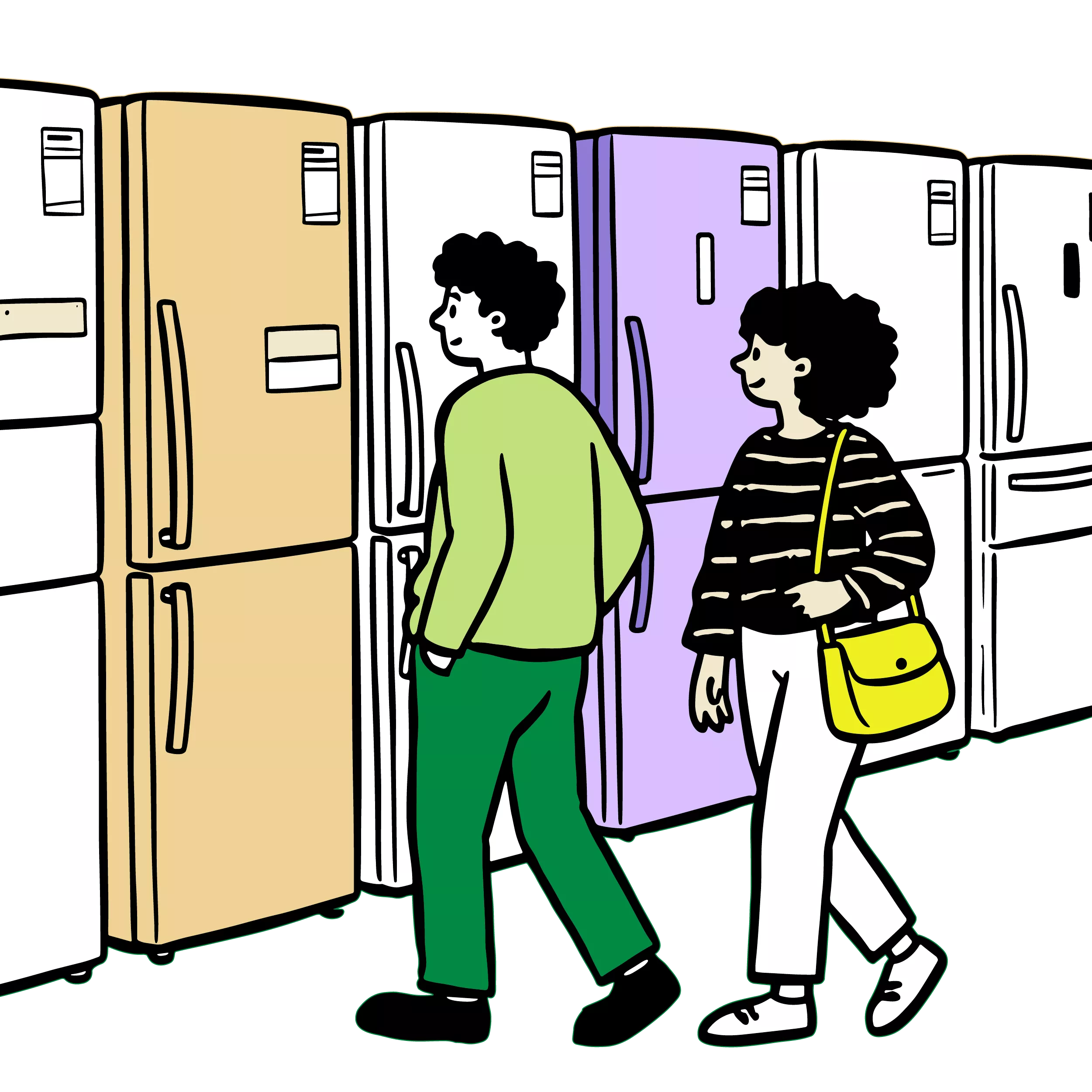
Hiring television sets, home appliances, etc is expensive and a cheap second-hand model is a much better proposition.
If you will only rarely use some expensive equipment it may be cheaper to hire it than to buy it.
When shopping make sure that you have been charged the correct amount for each item and that you have received the correct change. Also check through invoices and bank statements.
If you do feel a desperate need for retail therapy, set yourself a limit such as $20 and go to EcoDepot or a second hand shop.
Find the bank and bank account that has the lowest charges. Operate only one general account and have a savings account for emergencies or long-term goals. Avoid using PayWave as the consumer is often charged a small percentage on top of the purchase price. Often you can insert a card in the same machine and pay less. Check each bank statement for mistakes. Compare banks at Best Bank Accounts - April 2026 - MoneyHub NZ
Try to get the cash you need from the supermarket when you pay for your groceries each week. Paying for other things with cash will make you more aware of how much you are spending.
Make every effort to avoid buying on credit. Interest and other charges can greatly increase the amount you pay. If you have limited funds, using a debit card is generally better than a credit card to avoid debt, as interest charges are often around 20% for credit cards. Debit cards use your own money and prevent spending beyond your balance, while credit cards risk high-interest debt.
Good Shepherd is a non-profit with support from Kiwibank that offers fee-free Good Loans for people on low incomes. They particularly offer to women/migrants who may have experienced family violence, economic harm or have had money manipulated by a controlling partner: https://goodshepherd.org.nz/get-support/our-services/
Investing in Kiwi Saver is a good way to accumulate saving over time that helps provide for your retirement, with contributions also being made by your employer and the government. Under certain circumstances, KiwiSaver may also assist with the purchase of a first home or if you experience significant financial hardship. Check out information about the benefits of KiwiSaver at KiwiSaver
Find out which KiwiSaver provider looks the best for your situation and has low fees. KiwiSaver fund finder » Sorted
There are a variety budgeting tools available online to assist with your financial planning and budgeting.
Sorted.org.nz is a free, government-backed financial education site that offers practical, step-by-step budgeting advice https://sorted.org.nz/tools/budget-planner/
Money Hub offers a breakdown on a variety of budgeting apps on their website Best Budget Apps for New Zealanders - MoneyHub NZ Avoid apps that you require you to pay a monthly or annual fee.
Many banks offer budgeting tools within their Apps:
Free, confidential debt advice is available through a variety of services, which provide trained financial mentors. These services help with budgeting, debt reduction, and negotiating with creditors.
Surveys show that what children want more than anything else is their parents’ time. Buying expensive clothes and toys is no substitute for your time.
Do not borrow or spend more than you can afford for birthday and Christmas presents. You could talk to family and relatives about cutting back on the value or number of presents. Try making presents or buy suitable items when you see them on sale, or at low prices and keep them until they are needed. As Christmas can be an expensive time, set a budget and put aside some money during the year towards your holiday or gift fund.
If you receive an email or text that you are not expecting, you need to be very suspicious. If it appears to be from a government department, bank or courier company etc, look for signs that it is not genuine. If someone you do not know offers to help you in some way, this is almost certainly a scam.
Never click on a link or attachment without being certain that you can trust the person who the email came from. If you are not sure, right click on the email address and check that the suffix is the organisation that it purports to be. E.g. you might get an email from Sam at the bank, and it shows from Sam Smith BNZ. Right clicking the from, it might show you the actual email address is samsmith@1bnz.co.nz or samsmith@bnz.businessgrow.com. At a glance, you could be confused. Because you know your bank will probably be bnz.co.nz, without a “1” or a suffix, you can see it’s probably a scam. Anyone can set up a domain with an extra letter in it to try and fool those who don’t look carefully enough.
The organisation name must be the last part of the suffix before the .com or .co.nz, If you have the slightest doubt about anyone who contacts you, ring the organisation directly by researching the phone number yourself and checking it is legitimate. Visit Consumer Protection for more tips: Avoiding scams | Consumer Protection
Whenever it is worthwhile, mend clothes, glue broken items and repair things that are not working.
Avoid paying people to do work which you can do yourself or which you can learn to do from a do-it-yourself book or by taking a course. You could offer to do work for a friend in exchange for them helping you with a job requiring their skills. There are many videos available on YouTube and online platforms.
If you need work done, but can't afford to hire someone, why not consider time banking. This involves people doing work for others and getting credits which they can later use to get work done for them by others in the group who have different skills. Check out this Consumer guide to Time Banking Swap time, not money: Discover the benefits of timebanking
Keep instruction sheets with receipts attached in a folder or large envelope so that you can find them easily if required.
Consumer New Zealand can provide a lot of useful information to help you get the best value for money. Check the back copies of the Consumer magazine at your local library or go to www.consumer.org.nz. Some articles sit behind a paywall, but other are available free online to view.
Do not gamble because over a period of time you are guaranteed to lose money and you will suffer many disappointments. It is easy to become addicted to gambling and if this happens, you could end up losing everything you value.
Borrow books, music, and magazines from your local library. Join a toy library if you have young children.
Teaching children financial literacy skills from a young age will set them on their way to manage their money as they get older.
Keep an eye out for concerts and other activities that cost little or nothing to attend. Public libraries and local councils often have activities and events that are free to attend. Check out the website EventFinda for what’s on in your area What's free in NZ - Guide to free New Zealand Events - Eventfinda
Only use disposable items where there is no alternative.
Give up smoking and only drink alcohol on special occasions.
Before taking on the responsibility of a pet, work out if this is an ongoing expense that you can afford. Expensive vet visits and unexpected bills can present a challenge for pet owners and animal shelters are often at capacity with animals that people can no longer afford.
The best hobby is one that saves you money or helps you make some money.
If you need a holiday, try swapping houses with a family in another town or go to cabins in a camping ground. You can also do house sitting. Check websites that list house swaps within New Zealand.
The Citizens Advice Bureau has a lot of useful information on the following topics: consumer rights, government, law, money, education, health, housing, employment, travel and recreation. Visit www.cab.org.nz